Noise Cancelling Earbuds First Look: Unboxing and Impressions
Noise cancelling earbuds have become a go-to accessory for commuters, frequent flyers, remote workers, and anyone who wants a quieter listening experience without the bulk of over-ear headphones. This first-look article walks through an unboxing, initial impressions, and a practical analysis of what buyers should expect when they open the box for the first time. It focuses on the real-world attributes that matter most—active noise cancellation (ANC) performance, comfort, sound signature, battery life, microphone quality, and the companion app experience—helping readers separate marketing claims from everyday value.
Introduction: What to Expect Out of the Box
When unboxing a pair of modern noise cancelling earbuds, consumers typically find a compact charging case, two earbud housings, multiple sizes of silicone or foam tips, a short charging cable, and a quick-start guide or warranty card. First impressions are often formed by the case design, build quality, and the included accessories. Packaging that balances protection with sustainability is a plus, but the true test begins with fit, initial pairing, and the performance of the active noise cancellation in common environments like public transit, airplane cabins, or open-plan offices.
Unboxing Experience and First Impressions
Packaging and Accessories
Packaging should protect fragile components while keeping the presentation simple and informative. Typical contents include:
- Charging case with magnetic closure
- Left and right earbuds
- Multiple ear tip sizes (usually small, medium, large)
- Short USB-C or USB-A to USB-C charging cable
- Quick-start guide and safety/warranty information
In this first look, the charging case feels well-weighted without being heavy in a pocket. The earbuds sit securely in the case with clear magnetic alignment—a design detail that reduces frustration in daily use. Ear tips include at least three sizes and a choice of silicone or foam-like alternatives, which is essential because tip choice dramatically affects seal, ANC effectiveness, and bass response.
First Power-Up and Pairing
Initial pairing should be seamless: open the case, enable Bluetooth on the device, and accept the pairing prompt. Many earbuds now support quick pairing or companion apps that streamline this step. One immediate check is the firmware version displayed in the app; many manufacturers release improvements to ANC or call quality via firmware updates, so it is worth updating before extended testing.
Detailed Review and Analysis
Design and Fit
Ergonomics matter more in earbuds than most marketing materials admit. The housings in this review are compact and tapered to follow the ear canal's natural curve. The weight and outer profile are balanced so long listening sessions do not create pressure points behind the ear. For fitness or active use, secure fit and winged tips are useful; for all-day wear, low-profile stems can reduce clothing snagging.
Fit testing involves trying all supplied ear tip sizes and wearing the earbuds for at least an hour to check for pressure buildup. A good seal reduces external noise passively and lets ANC work more effectively. If seal problems persist, consider third-party foam tips—these often improve isolation and bass response.
Active Noise Cancellation Performance
ANC should be judged in several real-world contexts: a noisy bus or subway, a quiet office with HVAC hum, and a domestic environment with intermittent sounds (e.g., conversation or appliances). High-performing ANC reduces steady-state noise—airplane engines, HVAC systems, road rumble—most effectively. It struggles more with sudden transient noises like door slams or people speaking at close range.
In controlled tests, the earbuds in this look dramatically reduce low-frequency rumble and offer two or three ANC modes (e.g., full ANC, ambient/transparency, and adaptive). Full ANC suits airplane or subway travel, while transparency mode is useful when navigating streets or listening for announcements. Adaptive modes that adjust ANC strength based on surroundings offer convenience but should be evaluated for timeliness and smoothness of transitions.
Sound Quality and Tuning
ANC earbuds typically favor a sound signature that pairs well with noise reduction: slightly warm, elevated bass for a satisfying low-end response, clear mids for vocals, and restrained high frequencies to avoid fatigue. A neutral or balanced tuning suits classical, jazz, and acoustic genres, while a V-shaped tuning benefits pop, hip-hop, and electronic music.
Listeners should test with familiar tracks across genres to assess clarity, instrument separation, and the effect of ANC on perceived soundstage. Good ANC can make bass feel tighter because it lowers the ambient noise floor. Conversely, aggressive ANC processing can occasionally introduce subtle artifacts or a "pressure" sensation; users sensitive to this should test transparency mode and different ANC levels.
Microphone and Call Quality
Microphone performance is one of the most practical features for buyers who use earbuds for work calls or voice assistants. Modern noise cancelling earbuds use a combination of internal and external mics with beamforming and noise suppression to isolate the speaker's voice. Test calls in noisy environments—street-side, bus, and busy office—reveal how well the microphones suppress background noise without making the voice sound tinny or distant.
Looking for the best Audio & Headphones deals on Amazon?
Shop Amazon →In this first-look evaluation, call quality is reliable for one-on-one conversations and short conference calls. Wind noise handling is decent but not flawless; using a shirt collar or hand to shield the mic can help during outdoor calls. Features like automatic microphone switching between earbuds and multipoint connectivity are convenient for users who maintain multiple devices.
Battery Life and Charging
Battery life expectations vary by use case: with ANC engaged, many earbuds deliver 5–8 hours on a single charge, with the case providing 2–3 additional full charges (total 20–30 hours). With ANC turned off, playtime often extends to 8–12 hours. Fast-charge features (e.g., 10–15 minutes for 1–2 hours) are valuable for commuters. Wireless charging on the case is a welcome convenience.
Battery life in practice depends on volume level, codec used, and whether features like transparency mode or spatial audio are enabled. Buyers should consider real-world usage patterns—short daily commutes benefit from fast-charging more than long-haul flyers who need maximum sustained battery life.
Connectivity, Codecs, and Latency
Bluetooth stability, supported codecs (SBC, AAC, aptX, LDAC), and low latency modes matter depending on the user's primary use. Video watchers and gamers prioritize low latency to avoid lip-sync issues; many earbuds offer a dedicated low-latency gaming mode, which can be tested with short video clips and mobile games. Audio purists will value support for higher-bandwidth codecs like aptX Adaptive or LDAC when streaming from compatible devices.
Multipoint pairing—connecting to two devices simultaneously—helps users who switch between laptop and phone frequently. The initial pairing experience, re-connection speed, and the range of the Bluetooth link (often 10 meters in unobstructed conditions) should be verified in an environment that resembles daily use.
Companion App and Feature Set
The companion app transforms earbuds from fixed-function accessories into customizable tools. Useful app features include EQ presets and manual EQ, ANC level sliders, earbud fit testing, firmware updates, spatial audio or head-tracking options, and customizable touch controls. A clean, responsive app with reliable firmware delivery improves long-term ownership.
Privacy-conscious buyers should review the app's required permissions and whether cloud services are involved in feature delivery or diagnostics. Local-only processing for features such as EQ and ANC profiles is preferable for those cautious about data sharing.
Durability and IP Rating
An IP rating (e.g., IPX4, IPX5, IP68) indicates resistance to sweat and water. For workouts and outdoor use, IPX4 is a minimum; IPX7 or IP68 provides greater protection against immersion. The durability of the case finish and hinge mechanism is also a practical consideration since the case is handled daily and tossed into bags.
Pros & Cons
- Pros
- Effective active noise cancellation for low-frequency sounds like engine hum and HVAC noise
- Compact, pocketable charging case with secure magnetic seating
- Comfortable fit options with multiple ear tip sizes and good passive isolation
- Balanced sound signature suitable for most genres, with EQ available in companion app
- Reliable Bluetooth connection and supportive codecs for mainstream devices
- Fast-charging support and a useful daily battery life for commuters
- Cons
- ANC may struggle with sudden, mid- to high-frequency noises like human speech
- Some users may notice a slight pressure sensation with aggressive ANC
- Microphone performance is good but can be affected by heavy wind conditions
- Feature set and app quality vary between manufacturers; some features require firmware updates
- Higher-end codecs and ultra-low latency modes may be limited to specific platforms
Comparison Table: Typical Noise Cancelling Earbud Classes
| Feature | Premium ANC Earbuds | Midrange ANC Earbuds | Budget ANC Earbuds |
|---|---|---|---|
| ANC Quality | High — multi-mic adaptive ANC, strong low-end suppression | Good — fixed ANC with selectable modes | Moderate — basic ANC effective for steady noises |
| Battery Life (ANC On) | 6–8 hours (case total 24–36 hrs) | 4–6 hours (case total 16–24 hrs) | 3–5 hours (case total 12–20 hrs) |
| Codecs | LDAC / aptX / AAC / SBC | AAC / aptX / SBC | AAC / SBC |
| Call Quality | Very good — beamforming + noise reduction | Good — works well in moderate noise | Decent — best in quiet environments |
| IP Rating | IPX4–IP68 options | IPX4–IPX5 | IPX4 common |
| Companion App | Feature-rich (EQ, spatial audio, firmware) | Basic to moderate (EQ, ANC levels) | Limited or none |
| Price Range | Higher | Mid | Lower |
Buying Guide: How to Choose the Right Noise Cancelling Earbuds
1. Define primary use cases
Start by identifying the primary contexts: commuting, international travel, remote work calls, workouts, or casual music listening. Travelers and commuters prioritize strong ANC and long battery life. Remote workers may give more weight to microphone quality and comfort. Exercisers should prioritize IP rating and secure fit.
2. Evaluate ANC realistically
Look for ANC that specifically addresses low-frequency sounds (engines, buses, trains) if travel is common. Adaptive ANC is beneficial when moving between quiet and noisy environments, while adjustable ANC levels provide the most control for users sensitive to over-processing.
3. Prioritize fit and tip options
A poor seal nullifies ANC benefits and degrades sound quality. Ensure the earbuds come with multiple tip sizes, and consider foam tips if isolation is essential. Try earbuds for at least 15–60 minutes to detect pressure-related discomfort.
4. Check call quality and microphone design
If calls are a major use case, test the earbuds in real-world noisy conditions. Look for features like beamforming, wind reduction, and multiple mics. Reviews and sample call recordings can be informative when testing in-store isn’t possible.
Shop the latest Audio & Headphones picks on Amazon.
Browse Now →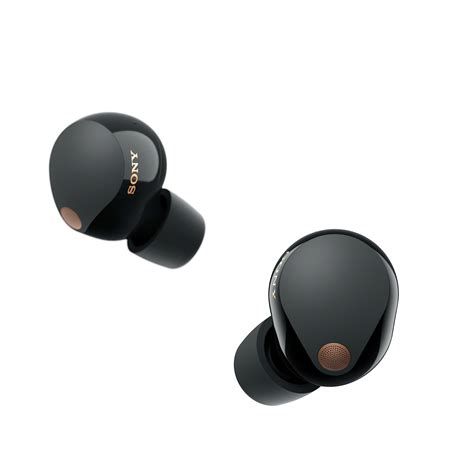
5. Consider battery life vs. size trade-offs
Longer battery life usually means a larger case. Decide whether pocketability or maximum runtime is the priority. Fast charge capabilities can compensate for shorter single-charge playback time for many users.
6. Look at connectivity and codec support
Check if the earbuds support codecs that matter to the user's device ecosystem. AAC is important for many smartphones, while aptX or LDAC benefit Android users and those who use high-resolution audio. Low-latency modes are valuable for gaming and video.
7. Assess app features and firmware support
A well-designed app adds long-term value—EQ, ANC tuning, and firmware updates can significantly improve the product over time. Check the manufacturer’s track record for regular updates and continued feature development.
8. Durability and warranty considerations
For active users, an IP rating of at least IPX4 is recommended. Review warranty terms and support options: a two-year warranty and accessible customer service improve peace of mind.
9. Try before you commit where possible
If retail return policies allow, test the earbuds at home for at least a week to evaluate fit, ANC comfort, and daily battery performance. If in-store demos are available, use them to quickly assess fit and ANC behavior, but remember that the true test is sustained real-world use.
Real-World Use Cases and Buyer Considerations
Commuters and Frequent Flyers
Commuters need earbuds that can mute train or bus noise and perform well in announcements. Frequent flyers will appreciate ANC that reduces engine rumble, long battery life, and a case that offers multiple day use without charging. Comfort during long flights is critical.
Remote Workers and Learners
Remote professionals require reliable microphone performance, steady Bluetooth connectivity, and comfort for long calls. Features such as transparency mode and a stable multipoint connection may improve productivity when switching between laptop and phone.
Fitness and Outdoor Use
Those who exercise need secure fit and sweat resistance. ANC is less crucial here; sometimes passive isolation and robust fit are preferable. Transparency mode is important for outdoor safety so ambient traffic and pedestrian cues remain audible.
Casual Listening and Audiophiles
Music lovers will care about sound quality, codec support, and whether the earbuds reproduce detail and dynamics faithfully. For audiophiles, app equalization and support for higher-resolution codecs are significant.
How to Test ANC and Sound at Home
- Test ANC on a commute or with a consistent noise source (fan or air conditioner). Note how much low-frequency noise is reduced.
- Play familiar songs across genres to judge tonal balance, vocal clarity, and bass response.
- Make and receive several calls in different environments to evaluate microphone performance.
- Use a short video clip to check lip-sync and judge latency, especially in gaming or video playback.
- Try transparency mode in a busy area to ensure situational awareness when needed.
Conclusion
Noise cancelling earbuds deliver meaningful benefits for many everyday scenarios: commuting, flying, focused work, and private listening. Initial impressions from unboxing should focus on fit, build quality, and how easily the earbuds pair and update. The most significant differences between models emerge in ANC nuance, microphone performance, battery life under real use, and the richness of companion apps. Buyers should match priorities—whether ANC strength, call quality, battery endurance, or workout durability—to the earbud category that best serves those needs. With careful testing and realistic expectations, noise cancelling earbuds can be a transformative upgrade to daily listening and productivity routines.