Should You Upgrade from Hisense C2 Ultra to Lg G5 Oled Tv?
Introduction
Deciding whether to upgrade a TV is more than comparing sticker specs — it is about matching the screen to how people actually use it. The choice between the LG G5 OLED and the Hisense C2 Ultra often comes down to viewing environment, content priorities, and how much value the buyer places on absolute blacks, high brightness, gaming features, and smart platform experience. This article looks past marketing claims to provide a practical, real-world analysis that helps readers decide whether stepping up to the LG G5 OLED makes sense for their living room, home theater, or gaming setup, or whether the Hisense C2 Ultra remains the better, more sensible option.
Throughout the piece, the focus is on typical buyer concerns: picture quality for movies and sports, performance in bright or dim rooms, gaming features (input lag, HDMI bandwidth), smart TV usability, audio, design, and long-term ownership considerations like burn-in risk and service. The aim is to provide a balanced evaluation so readers can make an informed upgrade decision.
Detailed product review and analysis
LG G5 OLED — what it brings to the table
The LG G5 OLED represents LG’s emphasis on OLED picture technology: pixel-level self-emission that delivers deep, true blacks and excellent contrast. In real-world viewing, that means shadow detail in dark scenes stays rich without the 'raised black floor' that backlit LCDs sometimes produce. For movie fans and people who enjoy cinematic content in dim rooms, the black-level performance is one of the most noticeable and pleasant differences compared with many LED-based sets.
Color rendition on the G5 is typically precise out of the box and benefits from LG’s color management and calibration tools. High dynamic range (HDR) content — HDR10, Dolby Vision where supported — appears with striking highlights and nuanced midtones because OLED’s contrast lets specular highlights sit against deep black without visible bloom.
Gaming is another strong suit for modern LG OLEDs. The low response times of OLED panels combined with HDMI 2.1 features, variable refresh rate (VRR), and low input lag (on appropriate settings) make for a responsive experience for both console and PC gamers. That said, buyers should check the specific HDMI feature set of the G5 model they’re considering, because implementation and performance can vary by region and firmware.
On the audio and design front, the LG G5 typically focuses on a slim, attractive profile meant to blend into a home theater setup. Built-in speakers are adequate for casual viewing, but serious listeners will want a soundbar. LG’s webOS smart platform is mature, with a wide app selection and frequent updates; users generally find it slick and easy to navigate.
One practical point to weigh: OLED displays, by nature, carry a theoretical risk of burn-in if the screen displays static elements for many hours every day. For the majority of buyers who watch varied content and use automatic pixel-shift and screen savers, burn-in risk is low, but it is a real factor for heavy, static-content users like those who keep a channel logo or HUD onscreen for long periods.
Looking for the best TVs & Home Theater deals on Amazon?
Shop Amazon →Hisense C2 Ultra — where it excels
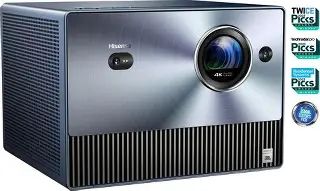
The Hisense C2 Ultra aims to deliver a compelling combination of brightness, aggressive local dimming, and value. In many households, the C2 Ultra shines (literally) in bright-room scenarios: higher peak brightness and anti-reflective coatings help keep HDR highlights vivid and sports or daytime TV watchable without needing to close the blinds.
When it comes to contrast, modern Hisense high-end models rely on full-array local dimming or advanced backlight control to approximate deep blacks and limit haloing around bright objects. For many viewers, the difference in perceived contrast between a well-implemented Hisense local-dimming panel and an OLED can be small in everyday mixed-content viewing. However, in absolute side-by-side dark-room tests, OLEDs generally retain an edge for the deepest blacks.
Gamers will find Hisense C2 Ultra models often include decent gaming modes, low input lag, and support for high refresh rates on certain inputs. Hisense’s smart platform (often Google TV or a proprietary ULED OS, depending on model and market) has improved significantly, with better app availability and simpler navigation than previous years. Sound quality is typically similar to other mid-to-high-tier TVs — serviceable for casual viewing, but limited compared with dedicated audio systems.
Value-conscious buyers frequently choose the Hisense because it can deliver a lot of screen technology for the price. For households that prioritize daytime viewing, sports, or a bright-family-room environment over the last bit of cinematic black level, the C2 Ultra can be an excellent, pragmatic choice.
Pros & Cons
LG G5 OLED — Pros
- Exceptional black levels: Pixel-level dimming for true blacks and infinite contrast in dark scenes.
- Superior viewing angles: Color and contrast stay accurate when watching off-center.
- Excellent HDR tone mapping: HDR highlights with natural roll-off and crisp shadow detail.
- Great for movies and home theater: Cinematic performance in dim environments.
- Low response time: Very good for gaming with responsive feel.
LG G5 OLED — Cons
- Risk of burn-in: Not an issue for most, but a consideration for heavy static-content use.
- Brightness limits: OLEDs tend to be less bright than the very brightest LED/LCDs, which can matter in sunlit rooms.
- Price premium: Typically costs more than many LED alternatives with similar-sized screens.
Hisense C2 Ultra — Pros
- High peak brightness: Better performance in bright rooms and for HDR highlights in daylight.
- Strong value proposition: Often packs advanced features at a lower price point.
- Good for sports and daytime viewing: Maintains picture clarity with ambient light.
- Improving smart platform: More apps and a cleaner UI than older Hisense models.
Hisense C2 Ultra — Cons
- Black level limitations: Even with local dimming, blacks may not match OLED in absolute darkness.
- Potential blooming/halo: Bright objects on dark backgrounds can produce visible haloing depending on local dimming quality.
- Less refined off-axis color: Colors and contrast can shift when viewed from wide angles.
Side-by-side comparison
| Feature | LG G5 OLED | Hisense C2 Ultra |
|---|---|---|
| Panel technology | OLED — self-emissive pixels for perfect blacks and excellent contrast | High-performance LED/LCD with advanced local dimming for strong brightness and contrast |
| Black levels & contrast | Industry-leading black levels, superior in dark-room viewing | Very good with local dimming, but may not reach OLED’s absolute blacks |
| Brightness | Good for most rooms; not as bright as top LED sets in direct sunlight | Higher peak brightness, better for bright-room and daytime viewing |
| Viewing angles | Excellent — wide angles with minimal color shift | Moderate — some color/contrast shift at wide angles |
| HDR performance | Excellent for tone mapping and specular highlights in dim rooms | Strong HDR highlights due to higher peak brightness; depends on backlight implementation |
| Gaming features | Very good response time, low input lag; HDMI 2.1 features on many models | Competitive input lag and refresh support; feature set varies by model |
| Smart TV platform | Mature webOS with broad app support | Google TV or proprietary Hisense platform depending on region; improving app availability |
| Design & build | Slim, premium aesthetic aimed at living rooms and home theaters | Modern design with emphasis on value; build quality is solid for price |
| Value | Premium price for premium picture quality | Strong value — competitive features for the cost-conscious buyer |
Real-world use cases — who should upgrade?
Examining common household viewing patterns helps make the upgrade question practical.
- Movie buffs and cinephiles (dark-room viewing): Upgrading from a bright-panel LED to the LG G5 OLED is frequently worthwhile. The improved black levels and contrast produce a more cinematic image, recovering shadow detail and improving immersion.
- Serious gamers: If the LG G5 model includes full HDMI 2.1 functionality and the buyer uses current-gen consoles or high-refresh-rate PCs, the lower response times and VRR support make the OLED a compelling upgrade. However, check that the specific G5 SKU has the HDMI features required for the user’s setup.
- Sports and family rooms (bright rooms): If the Hisense C2 Ultra is currently handling daytime viewing well, an upgrade to the G5 might provide better blacks but could be less visible in a bright room. Many sports fans prefer higher peak brightness and anti-reflective performance over the last stop of black-level fidelity.
- Mixed content households: For families that watch a mix of TV, streaming, sports, and occasional gaming, the decision depends on priorities: go OLED for better movie nights and gaming responsiveness, stay with Hisense for bright-room versatility and value.
- Static-content users: People who use the TV as a primary information display — with channel logos, news tickers, or static HUDs — should carefully weigh burn-in considerations before moving to OLED; Hisense’s LED-based technology suffers no such long-term risk.
Buying guide — what to check before upgrading
Before committing to an upgrade, consider the following practical checklist:
Shop the latest TVs & Home Theater picks on Amazon.
View Offers →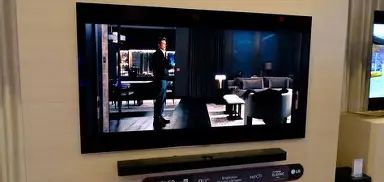
- Room lighting and use: Test both models in similar ambient light conditions. If the room is consistently bright during prime viewing hours, prioritize peak brightness and anti-reflection performance. For dedicated dark-room viewing, prioritize black level and contrast.
- Content type: If the household streams a lot of movies and high-quality HDR material — and the viewer values shadow detail — OLED often provides the best experience. For lots of daytime live TV and sports, a bright LED set can look better overall.
- Gaming features: Confirm HDMI bandwidth, VRR, low input lag, and specific console compatibility. If competitive gaming matters, verify the TV’s measured input lag on relevant refresh rates.
- Panel risk tolerance: Assess whether the theoretical OLED burn-in risk is acceptable. For most varied-use buyers it is not an issue, but for heavy static-image users it is a real consideration.
- Calibration and picture modes: Check out the out-of-box calibration and whether the TV supports professional calibration or custom picture mode adjustments that suit the viewer’s tastes.
- Smart TV ecosystem: Ensure the apps and streaming services used most frequently are supported and responsive on the TV’s OS.
- Sound and accessories: Plan for audio. Many people upgrade the display but leave audio behind; a modest soundbar can transform the perceived TV upgrade.
- Warranty and service: Review warranty length and local service options. For premium purchases, better support can justify part of the price differential.
- Try before buying: If possible, view both sets in a store or a friend’s home to evaluate subjective differences like color preference, motion handling, and UI responsiveness.
Practical tips for a smooth transition
If the decision is to upgrade to the LG G5 OLED, the following steps help optimize the new TV for long-term enjoyment:
- Run a calibration or use expert presets: Use the TV’s 'Cinema' or 'Filmmaker' mode as a starting point, and consider a professional calibration for critical viewers.
- Enable burn-in protection features: Keep pixel shift, screen savers, and automatic brightness limiters enabled. Vary content to avoid long static images.
- Check game mode settings: Turn on the low-latency/game mode for consoles and disable extra post-processing when responsiveness is key.
- Plan audio upgrades: Match the new TV with a soundbar or AVR; modern TVs benefit enormously from even entry-level sound systems.
- Keep firmware updated: Manufacturers continue to refine processing and features via firmware updates; install updates and review patch notes for new improvements.
Conclusion
Whether to upgrade from a Hisense C2 Ultra to an LG G5 OLED depends on what the household values most. For viewers who prioritize the deepest blacks, superior viewing angles, and an immersive movie- and game-focused experience in a controlled lighting environment, the LG G5 OLED is usually the meaningful step forward. The visual gains in dark-room cinematic scenes and the responsive gaming feel are distinctive and can transform viewing enjoyment.
Conversely, for buyers who spend much of their viewing time in bright rooms, value peak brightness and anti-reflection performance, or seek an excellent feature set for a lower total cost, the Hisense C2 Ultra often remains a compelling choice. It delivers strong HDR highlights and a pragmatic balance of features that suit sports fans, daytime TV viewers, and families.
In short: upgrade to the LG G5 OLED if cinematic picture quality and OLED benefits align with daily use; stay with the Hisense C2 Ultra if bright-room versatility, minimal maintenance risk, and value are the higher priorities. Evaluating how the TV will be used, testing both models in similar lighting, and confirming specific gaming and smart platform needs will make the decision straightforward and suited to the buyer’s real-world viewing habits.